Abstract / Brief Description
Smart Noise Logger-based Leak Diagnosis System
Funding Scheme: Innovation and Technology Fund and Water Supply Department of Hong Kong
Funding Amount: $2,313,225
Principal Investigator: Prof. ZAYED Tarek
Project Scope
Water loss from Water Distribution Networks (WDNs) is a major global crisis, with approximately 346 million cubic meters lost daily. This waste incurs huge financial and environmental costs, and poses public health risks due to contaminant ingress. The primary culprit isn't large bursts but small, persistent pipeline leakage. The urgency for better monitoring is critical, exemplified by the Hong Kong WDN, which reported nearly 10,000 leaks in 2016. Effective techniques must be highly sensitive to minor leaks yet robust against background noise and usage fluctuations.
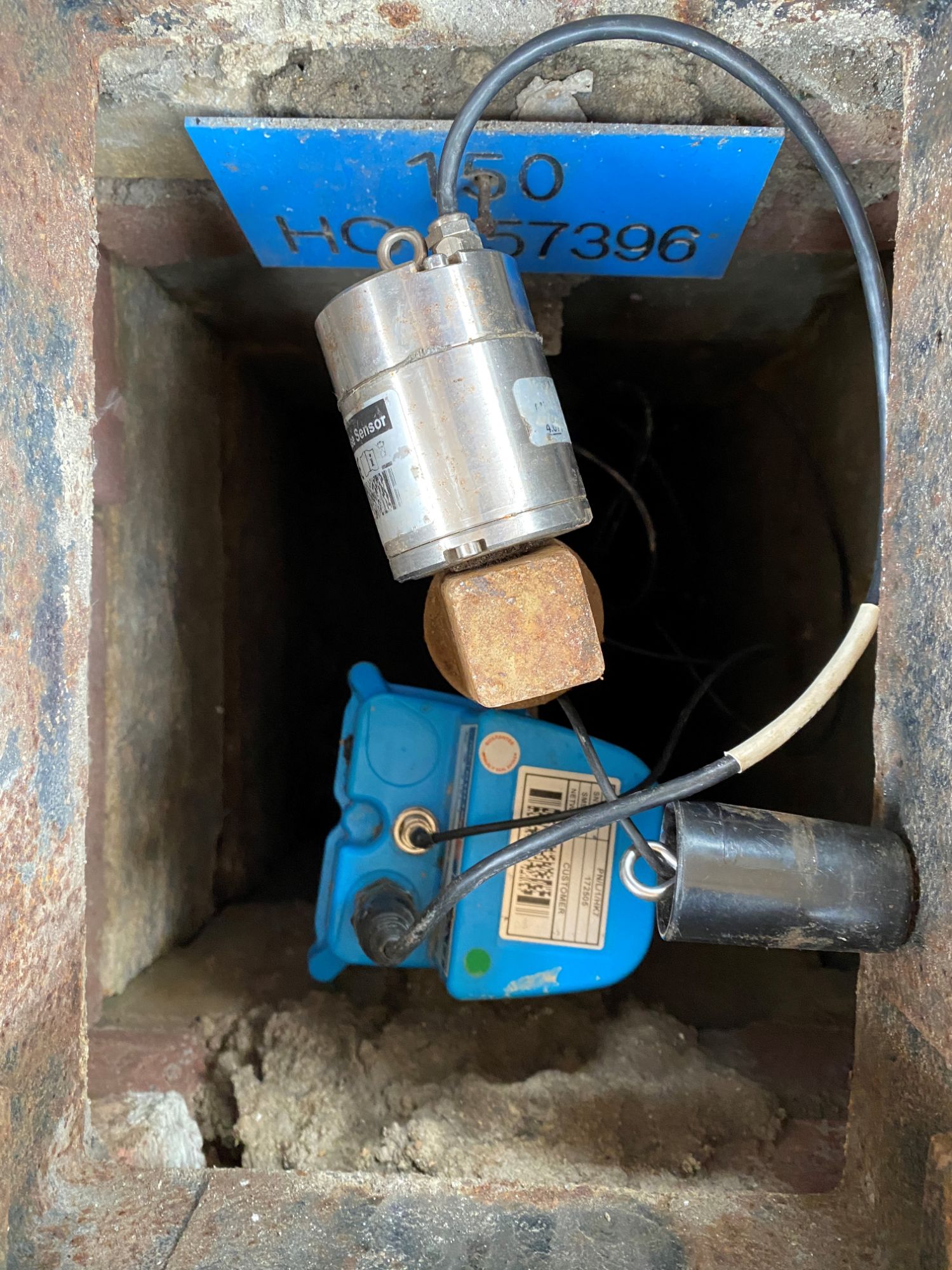
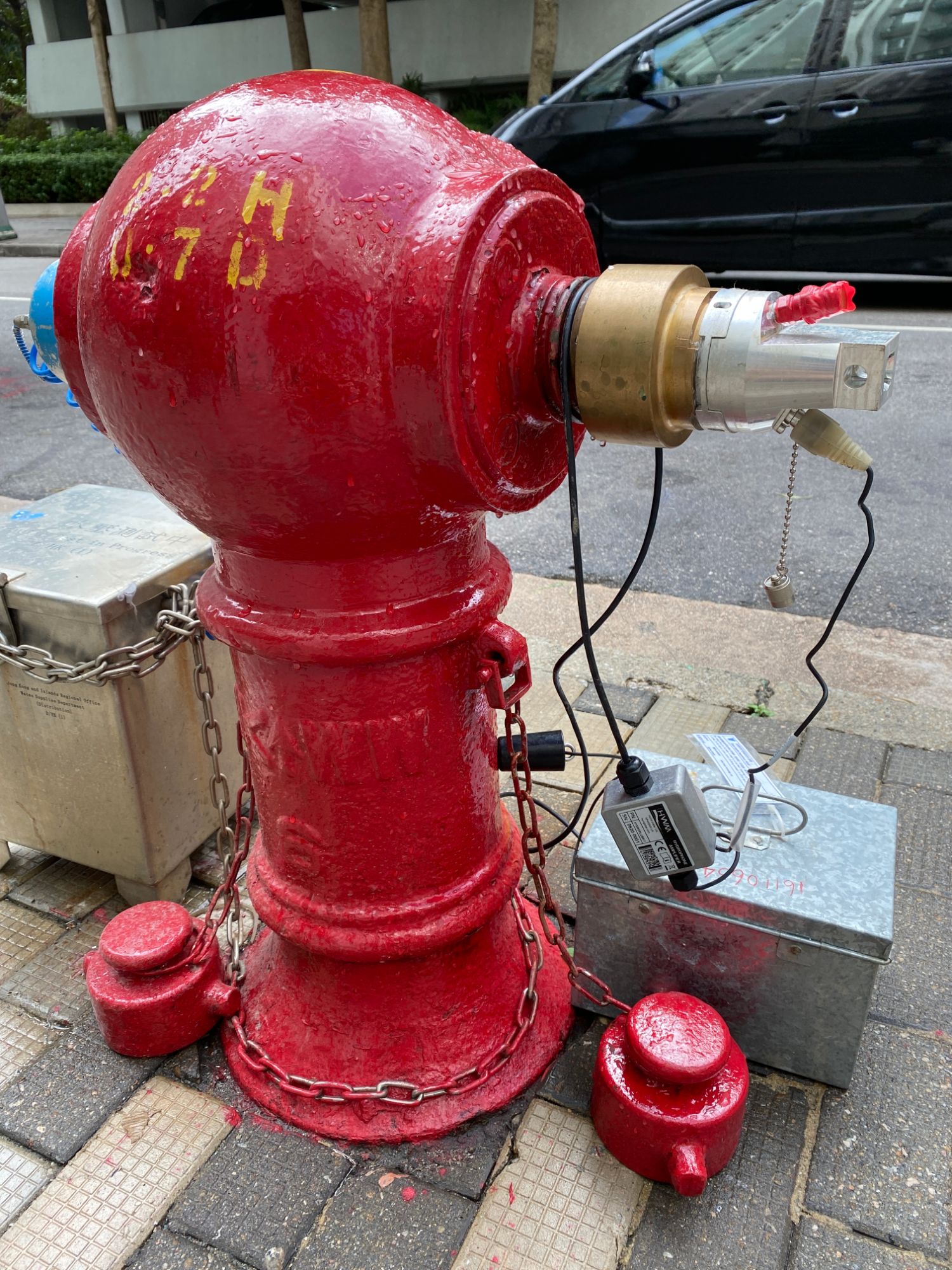
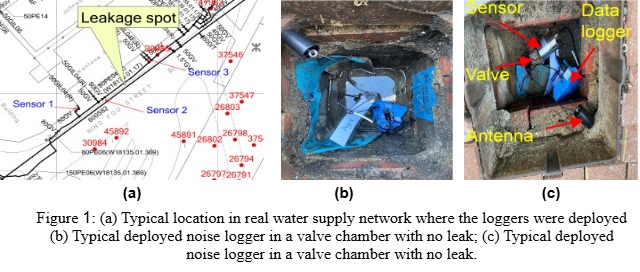
The acoustic emission method is a promising leak detection technique. However, current models based on laboratory-simulated leak data are proving insufficient for real-world WDNs due to the complexity and inherent noise of active systems. Consequently, the focus of research is shifting to a data-driven framework that uses acoustic signals recorded directly from real-life WDNs to develop robust, long-term monitoring models for accurate and cost-effective leak localization. The project will further investigate acoustic emission and machine learning (ML) techniques for detecting and pinpointing pipeline leakages. Extensive fieldwork, analytical analysis, and modeling will be undertaken in this study to understand leak detection and pinpointing in real WDNs.
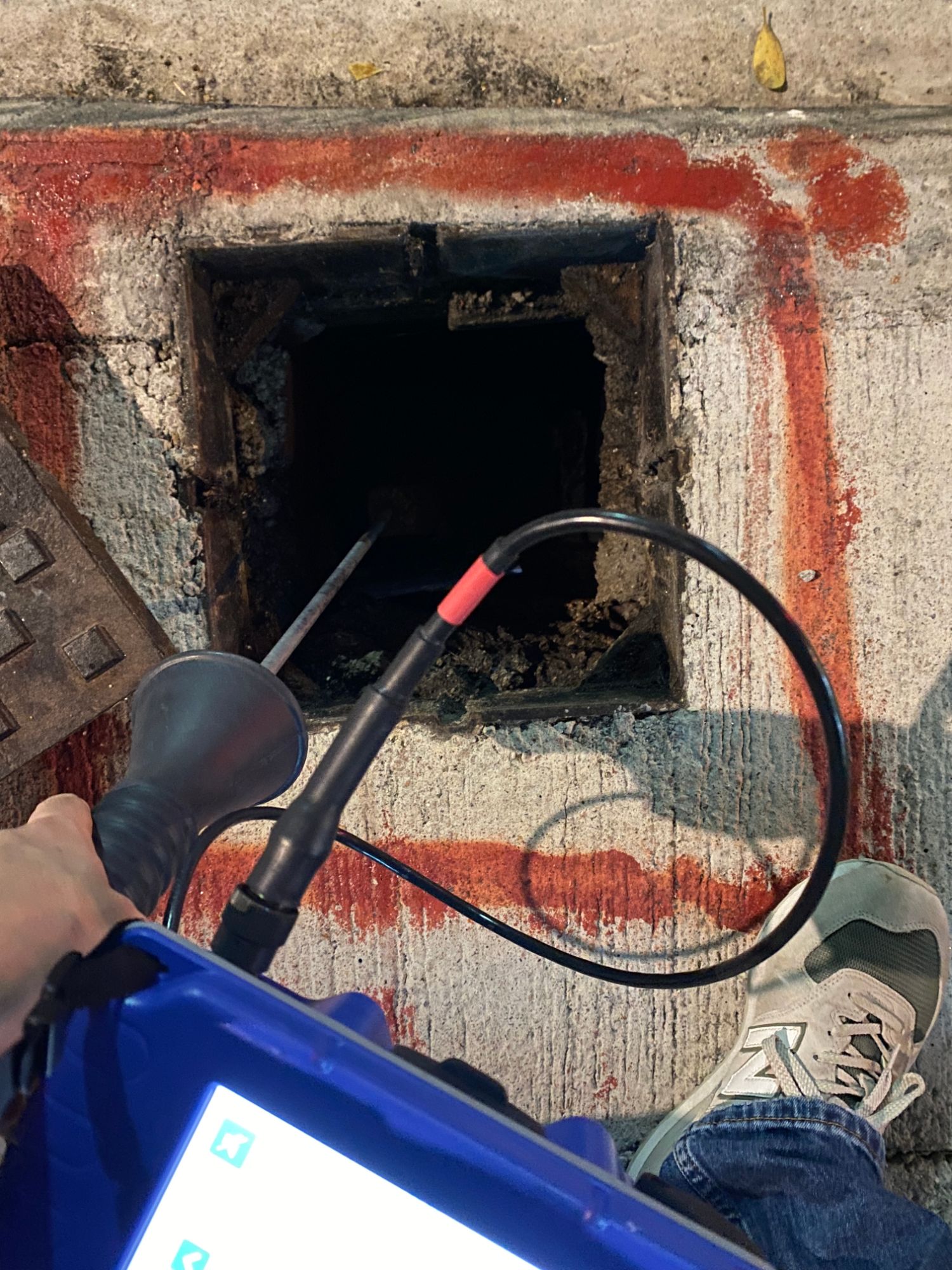
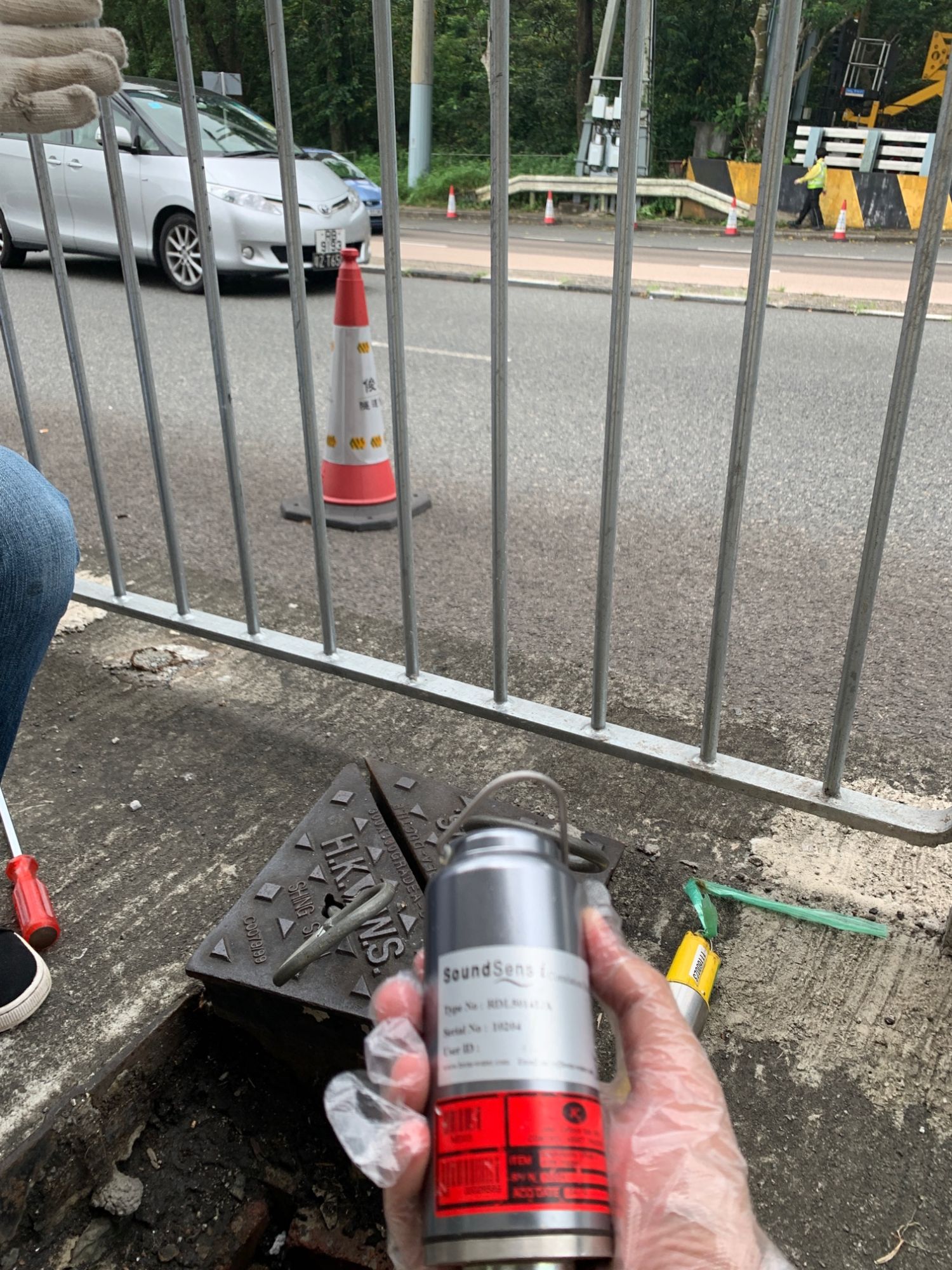
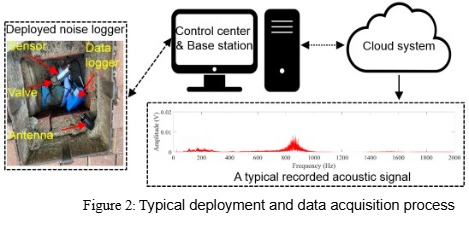
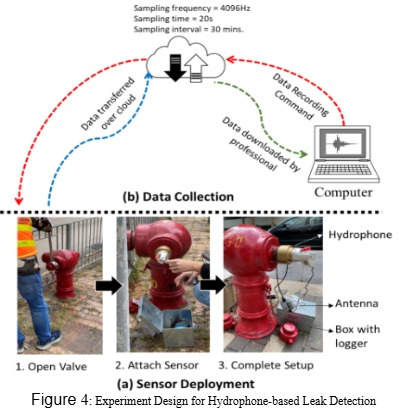
The specific objectives are:1. To conduct extensive fieldwork in Hong Kong to record appropriate signals from real WDNs for both leak and no-leak cases using non-destructive technologies.
2. To develop ML-based leak detection models.
3. To develop ML-based leak pinpointing models.
4. To design and establish an automated (website) tool for smart leak detection and pinpointing.
Key findings:
The project findings/deliverables can be summarised as follows:
1. Leak Detection Models and Effectivess Signal Quality is Critical:
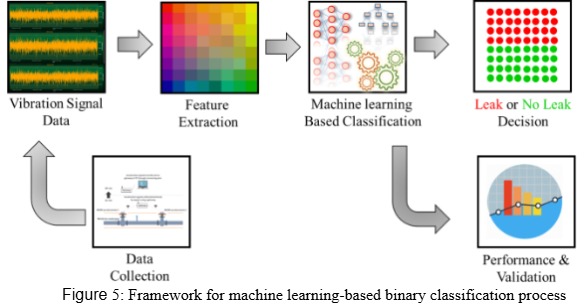
- Machine learning models perform significantly better when using features extracted from de-noised noise logger signals compared to raw signals.
- Optimal Algorithms: For noise logger-based detection, the Artificial Neural Network (ANN) model achieved the highest classification accuracy.
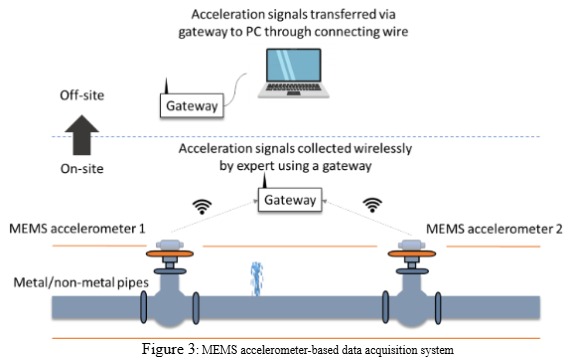
- MEMS accelerometers proved to be a highly effective and cheaper leak detection technology compared to noise loggers.
- MEMS-based models successfully detected leaks in both metal and non-metal pipes in real-world networks.
- Machine learning models were successfully developed to predict the distance and direction of leaks.
- Pinpointing with MEMS Accelerometers: The ANN and Support Vector Machine (SVM) algorithms were applied for successful leak pinpointing.
- Pinpointing with Noise Loggers: A Decision Tree-based model showed promising performance for pinpointing.
- Real-World Validation: Leak detection and localization capabilities of both noise loggers and MEMS accelerometers were validated in case studies.
- Multi-Tier Approach: The research demonstrated a successful multi-tier process utilizing noise loggers, MEMS accelerometers, and a ground microphone.
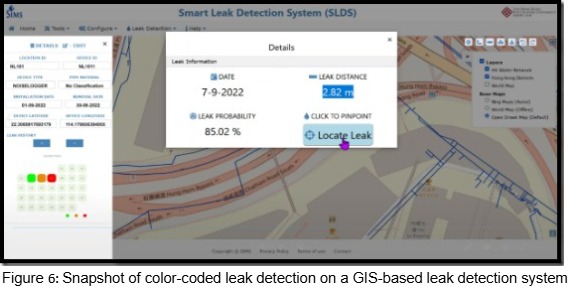
- Automated System Implementation: The developed models were integrated into a user-friendly, web-based application for automated leak management.
- System Integration: The automated system architecture included data preprocessing, ML model implementation, and the integration of GIS (Geographic Information System).
- Need for Further Validation: While leak detection models were well-validated, the leak pinpointing models require further validation cases.